What Factors Define Meat Quality?
Meat quality depends on several elements. The age of an animal affects tenderness and flavor. Young animals often give a soft texture, while older ones may need longer cooking. Breed also changes taste and fat distribution. Feed plays a role in marbling and overall meat strength. How an animal was raised, whether pasture-fed or grain-fed, impacts flavor. Cut selection is part of quality. Muscle type and location influence cooking time and tenderness. Knowing the source of meat helps cooks predict outcomes during preparation. Handling before purchase also affects quality. Proper storage temperature keeps freshness and reduces bacterial growth. Understanding these elements allows cooks to adjust techniques. For example, tougher cuts may need slow cooking or marinating. Careful selection ensures food taste as expected and prevents disappointment. A chef in Canada noticed that using quality meat improved repeat customers and overall satisfaction. Focusing on age, breed, feed, and cut improves understanding of cooking results and helps achieve predictable outcomes for each food.
Why Does Color Indicate Freshness?
Color gives information about meat freshness and condition. Bright red or pink meat often shows freshness in beef and pork. Pale meat may indicate older animals or lack of oxygen. Fat color also matters; creamy white fat signals good quality, while yellowish fat may suggest age or diet issues. Moisture on the surface can reflect handling and storage conditions. Darker meat sometimes tastes richer but may need longer cooking to become tender. Observing color allows cooks to choose suitable meat and predict cooking results. Improper storage changes color quickly, leading to a less appealing appearance. Knowing how color relates to freshness helps prevent wasted food. Many restaurants check visual cues before preparing dishes to maintain high standards. Learning color patterns improves decision-making in the kitchen. Color, combined with smell and texture, guides cooks to select the best pieces. Following these tips, even home cooks can improve food quality and cooking confidence.
How Does Marbling Affect Flavor and Tenderness?
Marbling refers to small fat streaks inside muscles. More marbling usually means more flavor and tenderness. Fat melts during cooking, adding moisture to meat. Cuts with little marbling may dry quickly and require careful temperature control. Steaks or roasts often need visual inspection for marbling. Fat content interacts with seasonings, making dishes more enjoyable. Marbling also signals quality to customers. When chefs understand marbling, they can choose the right cooking method. For example, highly marbled steak can handle grilling, while leaner cuts may need slow roasting. Even slight differences in fat distribution change texture noticeably. Learning to read marbling allows cooks to predict taste and mouthfeel. Small adjustments during preparation, like resting meat after cooking, further improve tenderness. Checking marbling daily supports consistent results and satisfies diners. Knowledge of marbling benefits both professional kitchens and home cooking.
Why Should You Consider Meat Age and Storage?
Meat age affects texture and flavor. Freshly slaughtered meat differs from dry-aged or wet-aged products. Aging improves tenderness and develops richer taste. Storage temperature and duration influence safety and quality. Refrigeration slows bacterial growth but may change moisture content. Freezing preserves meat but may alter texture slightly. Proper handling prevents spoilage and maintains appearance. Chefs adjust cooking time depending on age. Older meat may require longer cooking or marinating to soften fibers. Knowledge of storage methods helps predict outcomes. Daily checking ensures consistent preparation. Even small restaurants benefit from understanding how meat age changes cooking results. Careful attention to refrigeration, freezing, and timing ensures food taste as intended. Choosing age-appropriate meat improves texture, reduces surprises, and maintains high standards in professional kitchens or at home.
How Does Fat Content Change Cooking Results?
Fat content affects moisture, flavor, and juiciness. Fat melts while cooking, keeping meat tender. Lean cuts may become dry without proper technique. Higher fat content gives richer taste and softer texture. Cooking methods should match fat level. Roasting or grilling works well with fattier cuts, while braising suits lean meat. Fat also interacts with seasoning, helping flavors penetrate deeper. Cooks can adjust cooking time depending on visible fat. Knowing fat distribution improves predictability of results. Restaurants and home chefs alike benefit from paying attention to fat. Daily observation before cooking ensures balance between tenderness and flavor. Careful handling of fat allows even simple dishes to taste complete. Understanding fat impact contributes to overall success in food preparation and enhances dining experience consistently.
What Role Does Moisture in Meat Play?
Water content inside meat changes cooking outcomes. Juicy meat often contains higher moisture. Dry meat loses flavor and feels tough. Marinating can add moisture while improving taste. Overcooking removes water quickly, leaving dryness. Proper cooking temperature preserves natural moisture. Moisture level affects resting time; letting meat sit after cooking allows juices to redistribute. Chefs notice differences between cuts with high and low water content. Storing meat correctly prevents early moisture loss. Moisture also interacts with seasonings and sauces. Adjustments in technique improve outcome based on moisture. Observing moisture daily supports consistent food. Simple practices, like patting meat dry before searing, maintain surface color and prevent splatter. Moisture control is key for predictable cooking results, especially in busy kitchens.
How Can Proper Meat Handling Improve Cooking?
Handling meat carefully reduces contamination and preserves quality. Washing hands, using clean knives, and cutting boards prevent bacteria from spreading. Slicing along grain or separating muscles helps control texture. Temperature control during prep maintains safety and taste. Touching meat minimally prevents unwanted moisture loss. Daily attention to handling ensures consistent cooking results. Chefs check surfaces and utensils to maintain standards. Safe handling also extends shelf life and improves visual appeal. Even small restaurants notice differences when staff practices proper hygiene. Understanding handling techniques allows better control over cooking time and tenderness. Proper preparation sets the foundation for flavor development and presentation. Regular practice in handling reduces errors and creates reliable outcomes for every dish.
Why Is Understanding Meat Cuts Important?
Different cuts need different techniques. Ribeye, sirloin, or tenderloin vary in tenderness and cooking speed. Tough cuts like chuck or brisket need slow cooking to become soft. Lean cuts need careful heat to prevent dryness. Knowing muscle location helps predict texture. Chefs can match cuts with recipes for the best outcome. Cutting meat properly improves appearance and portion control. Awareness of cuts also supports menu planning and consistency. Even home cooks can benefit from learning about cuts. Choosing the right method for each piece improves flavor and juiciness. Daily observation of meat cuts ensures correct preparation. Combining knowledge of cut, fat, and marbling creates predictable, high-quality results for every food.
How Can Wrapping Meat Affect Quality?
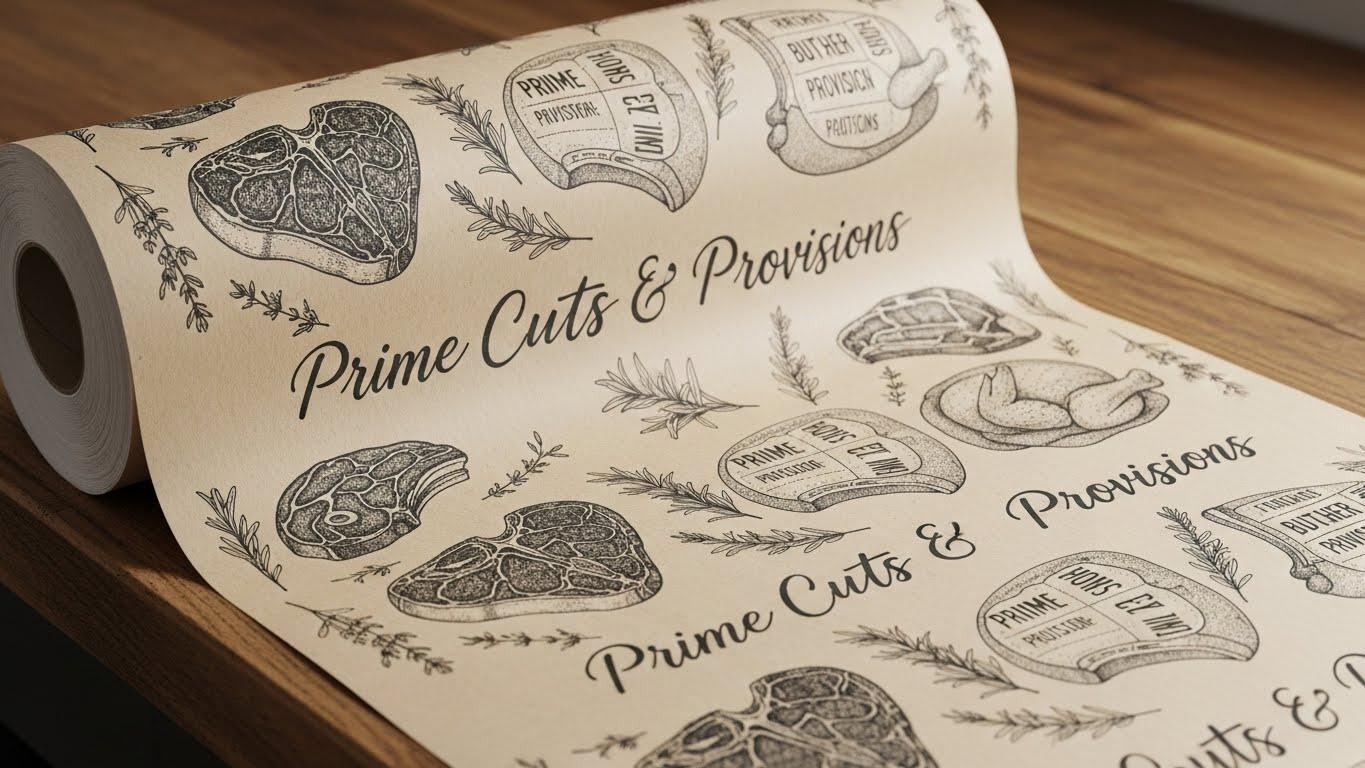
Wrapping helps maintain freshness and appearance. Using butcher paper roll ensures meat stays protected while allowing some air flow. Proper wrapping prevents dryness and preserves texture. Chefs use wrapping daily to store cuts between prep and cooking. Wrapping also supports hygiene by reducing surface exposure. For smoked or aged meat, wrapping affects final tenderness. Even small restaurants benefit from using paper consistently. Wrapping supports portion management and presentation. Daily habits in wrapping improve predictability and quality during service. Learning proper techniques ensures better control over moisture, color, and shelf life. Good wrapping practices enhance both professional and home cooking results.
What Impact Does Storage Material Have on Meat Freshness?
Storage material influences safety and taste. Using custom kraft paper helps maintain moisture while protecting from contamination. Paper supports organization in the refrigerator or freezer. Quality material prevents accidental drying or freezer burn. Restaurants and butcher shops often use kraft paper to separate portions. Daily practice ensures freshness remains intact. Material choice affects preparation and visual appeal. Observing how meat interacts with storage material helps chefs plan ahead. Even small changes improve cooking outcomes. Proper paper usage supports hygiene, color preservation, and taste retention. Material choice complements wrapping, refrigeration, and handling habits, improving consistency across food.
How Can Meat Knowledge Help Restaurants or Startups?
Understanding meat quality supports better menu planning and cost control. Chefs can choose cuts that match recipes and predict customer satisfaction. Using proper storage and wrapping reduces waste. Companies like waxpapershub provide solutions to help restaurants and startups manage materials for maintaining meat quality daily. Staff can handle cuts efficiently while preserving freshness and presentation. Knowledge allows more precise cooking techniques, increasing repeat visits. Even small businesses benefit from quality control practices. Training on cuts, fat, moisture, and marbling improves performance. Investing in proper preparation methods supports long-term success. Daily awareness strengthens confidence in serving food with consistent flavor, texture, and appearance.
Why Should Home Cooks Pay Attention to Meat Quality?
Home cooks improve food by observing freshness, color, and texture. Selecting tender cuts reduces cooking time. Paying attention to marbling and fat prevents dryness. Using proper wrapping and handling improves results. A simple story: a family tried different beef cuts for dinner and noticed juicier, tastier food after paying attention to marbling and storage. They used the karo method to manage portions and leftovers efficiently. Small practices, like patting meat dry, adjusting cooking time, and checking color, make a difference. Even beginners can achieve professional-like results. Learning to select and store meat builds confidence. Attention to detail at home improves taste, reduces waste, and ensures predictable results every time.

 English
 Arabic
 French
 Spanish
 Portuguese
 Deutsch
 Turkish
 Italiano
 Russian
 Romaian
 Portuguese (Brazil)
 Greek
Greek