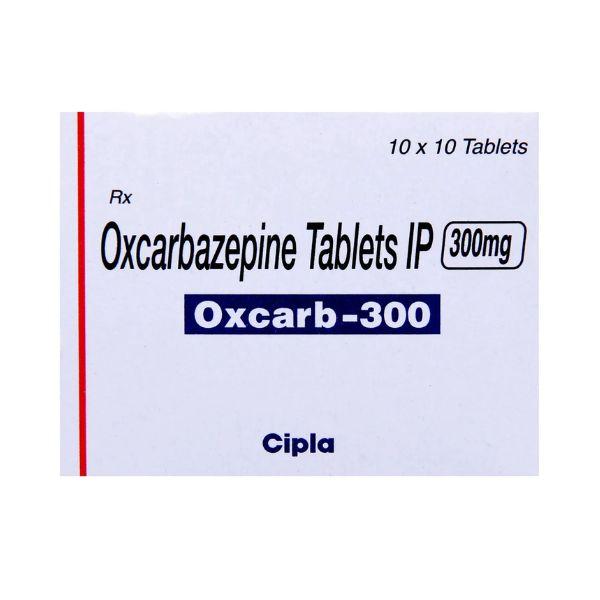
Oxcarb 300, which is also known as Oxcarbazepine 300 mg, is a widely used antiepileptic medication prescribed to control partial-onset (focal) seizures in people with epilepsy. This educational guide is mainly targeted in US and aims to explain what makes Oxcarb 300 effective, how it works in the brain, and what patients should know about its role in modern seizure management.
Epilepsy affects millions of people worldwide and hundreds of thousands across the United States. While the condition presents differently from person to person, one constant remains — effective seizure control is critical for safety, independence, and quality of life. Antiepileptic therapy helps stabilize the brain’s electrical activity, preventing seizures or reducing how often they occur.
Among the various medications available today, Oxcarb 300 remains a trusted choice in neurological practice. Let’s explore why.
What Is Oxcarb 300?
Oxcarb 300 is the brand name for tablets containing oxcarbazepine 300 mg, a medication classified as an anticonvulsant or antiepileptic drug (AED).
Its primary clinical use is the treatment of focal (partial-onset) seizures, which begin in one localized area of the brain. These seizures may:
-
Alter consciousness
-
Cause odd sensations
-
Lead to involuntary movements
-
Spread to surrounding brain regions
Oxcarb 300 may be prescribed:
As monotherapy — the only seizure medication a patient takes
As adjunct therapy — combined with other AEDs for greater control
It is commonly used in adults and eligible children, depending on clinical evaluation.
Why Is Oxcarb 300 Used in Antiepileptic Therapy?
In simple terms…
Oxcarb 300 helps stabilize abnormal electrical activity in the brain.
During a seizure, neurons fire rapidly and irregularly. Oxcarbazepine reduces this abnormal firing pattern, helping prevent seizures from starting or spreading.
Doctors in the US prescribe Oxcarb 300 because:
It is clinically proven to control focal seizures
It works well when used alone or with other AEDs
It has a generally predictable safety profile
Many patients tolerate it well long-term
How Oxcarb 300 Works: The Science Explained Simply
Oxcarb 300 acts primarily on voltage-gated sodium channels in the brain. These channels help regulate electrical communication between nerve cells.
In seizure disorders, these channels may become over-active, contributing to electrical surges.
Oxcarb 300 works to:
-
Block overactive sodium channels
-
Prevent repetitive neuronal firing
-
Reduce excessive brain signaling
-
Lower seizure risk
Think of it as placing a stabilizer on the brain’s electrical system.
This mechanism is why Oxcarb 300 is so valuable in partial-onset seizure management.
What Makes Oxcarb 300 Effective?
Several key characteristics contribute to its success in epilepsy therapy.
Proven Control of Focal Seizures
Oxcarb 300 is particularly effective against partial-onset seizures, which are the most common type of seizure in adults.
Patients often experience:
Fewer seizures
Less intense seizure activity
Improved daily functioning
Flexible Treatment Use
Doctors may prescribe it:
-
As a first-line therapy
-
When patients do not respond well to other medications
-
In combination with other AEDs
This flexibility makes it easier to customize treatment.
Long-Term Stability
Many patients maintain steady seizure control while taking Oxcarb 300 under supervision.
For chronic neurological conditions like epilepsy, consistency is key.
US Clinical Practice Confidence
Neurologists in the US continue to prescribe Oxcarb 300 due to its:
Clinical research support
Track record of effectiveness
Predictable dosing and monitoring
Patient-centered outcomes
Who Typically Receives Oxcarb 300?
Doctors may prescribe Oxcarb 300 to:
-
Adults with focal seizures
-
Adolescents
-
Some children (age-dependent)
-
Patients needing combination seizure therapy
Your neurologist considers:
Type of seizures
Age
Other health conditions
Current medications
Lifestyle factors
Before confirming a prescription.
Dosing Philosophy (General Overview)
Doses are individualized — meaning your doctor adjusts them based on YOUR needs.
Doctors usually:
-
Start at a low dose
-
Increase slowly
-
Monitor response
-
Adjust where necessary
This process helps minimize side effects while maximizing seizure control.
Never adjust your dose without medical advice
Stopping abruptly may trigger serious seizures.
Side Effects: What Patients Should Know
Like all medications, Oxcarb 300 can cause side effects.
Common ones may include:
-
Fatigue or drowsiness
-
Headache
-
Dizziness
-
Nausea
-
Blurred vision
These are often temporary during dose adjustment.
Less Common But Important Risks
-
Hyponatremia (low sodium levels)
-
Severe allergic skin reactions
-
Mood or mental health changes
Seek urgent care for:
Skin rash or swelling
Chest tightness or breathing difficulty
Severe confusion
Suicidal thoughts
Worsening depression
Your doctor may order periodic blood tests — especially sodium monitoring.
Oxcarb 300 vs Other Antiepileptic Drugs
Oxcarb 300 is often chosen when:
Patients primarily have focal seizures
Other AEDs caused side effects
A balanced safety-benefit profile is needed
However, seizure treatment is not one-size-fits-all. What works well for one patient may differ for another.
Oxcarb 300 in US Neurology Care
Within the US healthcare system, Oxcarb 300 is commonly part of comprehensive epilepsy care.
This often includes:
Neurologist-led treatment plans
Regular monitoring
Counseling on seizure safety
Lifestyle guidance
Supportive care resources
The goal is long-term seizure control with minimal side effects.
Living Well While Taking Oxcarb 300
Medication works best when combined with healthy habits, such as:
-
Getting enough sleep
-
Taking doses on schedule
-
Avoiding seizure triggers
-
Limiting alcohol
-
Managing stress
-
Tracking seizure activity
Patients may benefit from support groups, counseling, and epilepsy education programs.
Important Safety Considerations
Always tell your doctor if you:
-
Are pregnant or planning pregnancy
-
Are breastfeeding
-
Have kidney or liver disease
-
Have mental health conditions
-
Drink alcohol
-
Take other seizure or psychiatric medications
-
Have had allergic reactions to carbamazepine or oxcarbazepine
Do not stop the medication suddenly.
Key Benefits Recap
Oxcarb 300 remains effective in antiepileptic therapy due to:
Strong efficacy in focal seizures
Flexible dosing approaches
Long-term treatment compatibility
US clinical acceptance
Stabilizing brain electrical activity
Improved daily life and independence
Disclaimer
This article is for educational purposes only and is not medical advice. Always consult a licensed healthcare professional before starting, stopping, or changing any medication.
Frequently Asked Questions About Oxcarb 300
1. What is Oxcarb 300 used for?
It is used to treat partial-onset (focal) seizures in people with epilepsy.
2. Is Oxcarb 300 the same as Oxcarbazepine 300 mg?
Yes. Oxcarb 300 contains 300 mg of oxcarbazepine.
3. Does Oxcarb 300 work for generalized seizures?
It is primarily approved for focal seizures, though doctors determine suitability based on each case.
4. Can children take Oxcarb 300?
Yes, but only under pediatric neurological guidance.
5. Is Oxcarb 300 commonly prescribed in the US?
Yes — it is widely used in US epilepsy treatment plans.
6. Can I drink alcohol while taking Oxcarb 300?
Alcohol may increase side effects and seizure risk — always ask your doctor first.
7. What if I miss a dose?
Take it as soon as you remember unless it’s almost time for the next one — never double dose.
8. Can Oxcarb 300 cure epilepsy?
No antiepileptic drug cures epilepsy — it manages and controls seizures.
9. Does Oxcarb 300 cause drowsiness?
It can — especially during the early weeks of treatment.
10. Can I stop taking Oxcarb 300 suddenly?
No. This may trigger severe seizures. Always consult your doctor.
Final Thoughts
Oxcarb 300 (Oxcarbazepine 300 mg) plays an important role in antiepileptic therapy, especially for people diagnosed with focal seizures. By stabilizing abnormal brain activity, it helps many patients achieve better seizure control and improved quality of life.
Within the US healthcare system, Oxcarb 300 continues to be a trusted medication backed by clinical research and physician experience. When used responsibly under proper supervision, it can make a meaningful difference in the lives of people living with epilepsy.

 Arabic
 French
 Spanish
 Portuguese
 Deutsch
 Turkish
 Dutch
Dutch
 Italiano
 Russian
 Romaian
 Portuguese (Brazil)
 Greek
Greek