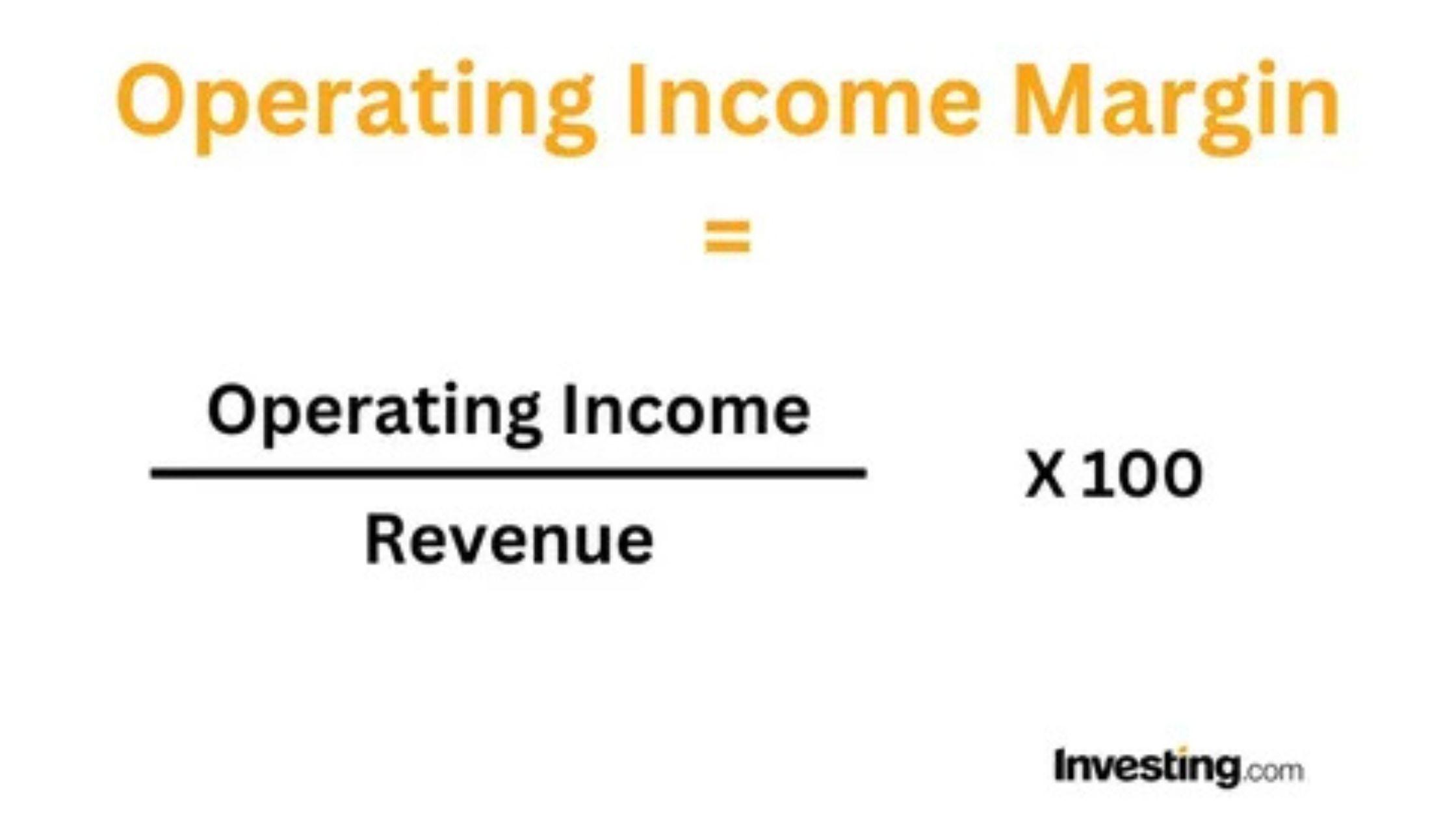
For bar, restaurant, and hospitality owners, success is measured not just in ambiance and customer satisfaction, but in a critical, often elusive metric: profitability. Navigating the costs of spirits, pour sizes, overhead, and pricing can feel like a complex equation. This is where understanding and utilizing a liquor profit margin calculator transitions from a basic accounting task to a cornerstone of strategic financial management. This guide delves deep into what a liquor profit margin calculator is, the essential formulas behind it, and how to leverage its insights for sustainable business growth.
Understanding Profit Margin in the Bar Business
Before diving into calculators, it's vital to grasp the types of profit margins that define your bar's financial health.
-
Gross Profit Margin (Per Bottle or Pour): This is the most direct measure of your liquor sales. It's the difference between the selling price of a drink and the direct cost of the liquor used to make it. It does not include other costs like labor, utilities, or glassware.
-
Net Profit Margin (Overall Business): This is the percentage of total revenue that remains as profit after all operating expenses, taxes, interest, and overhead are deducted. A healthy gross margin on liquor is essential to achieve a positive net margin.
What is a Liquor Profit Margin Calculator?
A liquor profit margin calculator is a tool—whether a simple spreadsheet, a dedicated software module, or a physical worksheet—designed to compute the financial metrics of your beverage program. Its core function is to take inputs like bottle cost, pour size, and selling price to output key performance indicators (KPIs) such as pour cost, gross profit per drink, and overall margin percentage.
The Core Formula: Calculating Pour Cost Percentage
The heartbeat of any liquor calculator is the Pour Cost Percentage formula. This is the primary KPI for bar inventory management.
Pour Cost % = (Cost of Goods Sold / Total Sales) x 100
-
Cost of Goods Sold (COGS): The value of the liquor used during a specific period. (Beginning Inventory + Purchases) - Ending Inventory.
-
Total Sales: The revenue generated from selling those drinks in the same period.
Example: If you used $800 worth of whiskey (COGS) and generated $2,500 in whiskey sales, your pour cost is ($800 / $2,500) x 100 = 32%.
From Bottle Cost to Per-Pour Profit
To use the calculator effectively, you start at the unit level:
-
Determine Cost Per Ounce (CPO):
Bottle Cost / Total Ounces in Bottle-
A 750ml bottle (approx. 25.4 oz) costing $20 has a CPO of $20 / 25.4 = ~$0.79/oz.
-
-
Determine Cost Per Pour (CPP):
Cost Per Ounce x Pour Size (in oz)-
A 1.5oz pour from that bottle costs $0.79 x 1.5 = ~$1.19.
-
-
Calculate Gross Profit Per Drink:
Selling Price - Cost Per Pour-
Selling that pour for $9 gives a gross profit of $9 - $1.19 = $7.81.
-
-
Calculate Gross Margin Percentage (Per Drink):
(Gross Profit / Selling Price) x 100-
($7.81 / $9) x 100 = ~86.8% gross margin.
-
Key Inputs for an Accurate Liquor Margin Calculator
For a calculator to be effective, you must feed it precise data.
-
Invoice-Accurate Bottle Cost: Always use the actual delivered cost, including any taxes or fees.
-
Precise Pour Sizes: Inconsistent pouring is a profit killer. Enforce standard pour sizes using jiggers or automated pourers.
-
Realistic Selling Price: Your price must reflect the CPO, but also market positioning, competitor pricing, and perceived value.
-
Inclusion of "Spillage" and Comps: A good calculator factors in a small, realistic percentage for spillage, staff drinks, and manager comps as a cost of doing business.
Why a Calculator is Non-Negotiable for Bar Success
Moving beyond guesswork to data-driven decisions offers transformative benefits.
Strategic Pricing and Menu Engineering
A calculator allows you to model different pricing scenarios instantly. You can strategically price high-margin well drinks to be more attractive or apply a slightly lower margin to premium spirits to increase volume and customer perception.
Inventory Control and Loss Prevention
By comparing theoretical usage (based on sales data) to actual usage from physical inventory counts, you can identify variance. A significant negative variance signals potential over-pouring, theft, or mis-ringing, prompting corrective action.
Informed Purchasing Decisions
When evaluating a new product, a quick calculation shows exactly what you need to charge to hit your target margin, helping you decide if it fits your menu and clientele.
Advanced Calculations: Beyond the Basics
Accounting for Draft Beer and Wine
The principle remains, but the unit changes. For keg beer, calculate cost per ounce from the keg price, then factor in line loss and glass size. For wine by-the-glass, a key metric is waste percentage from opened but unsold bottles.
Factoring in Overhead for True Net Profit
While a basic calculator focuses on COGS, advanced models allocate a portion of overhead (rent, utilities, labor) per drink. This gives a more realistic picture of net profitability, guiding minimum pricing floors.
Steps to Implement a Liquor Profit Margin System
-
Audit Current Inventory: Establish a starting point with a full, detailed physical count.
-
Standardize Recipes & Pour Sizes: Document every cocktail and standard pour for all spirits.
-
Choose Your Tool: Start with a well-built spreadsheet or invest in bar-specific POS/inventory software.
-
Input Accurate Data: Meticulously enter current bottle costs, pour sizes, and menu prices.
-
Calculate & Analyze: Run the numbers for your entire spirit list and key cocktails.
-
Set Target Pour Costs: Industry benchmarks often range 18-24% for liquor, but your target depends on your business model. A craft cocktail bar might run 22-24% due to higher ingredient costs, while a high-volume nightclub might target 18-20%.
-
Take Action & Recalculate: Adjust prices, control portions, or renegotiate with suppliers. Recalculate weekly or monthly.
Common Pitfalls and How to Avoid Them
-
Ignoring Variance: Not conducting regular inventory counts renders any calculator useless.
-
Using Inconsistent Pour Sizes: Free-pouring without measurement guarantees profit leakage.
-
Forgetting About "Hidden" Costs: Don't neglect the cost of mixers, garnishes, and ice in cocktail costing.
-
Setting Prices Solely on Competitors: Your costs are unique. Blindly matching a competitor can erase your margins.
Integrating Your Calculator with Broader Business Strategy
Your liquor profit margin calculator is not an isolated tool. Its data should inform:
-
Marketing Promotions: Run happy hour specials on items with the lowest cost per pour, not the lowest margin percentage, to protect profitability.
-
Staff Training: Use the calculated cost of over-pouring (e.g., giving 2oz instead of 1.5oz) as a concrete training example to show its financial impact.
-
Supplier Negotiations: Armed with precise cost data, you can negotiate better deals or explore alternative products that improve your margin.
From Calculator to Action: A Roadmap for Increased Profit
The final step is turning data into strategy. If your calculations reveal a vodka with a 35% pour cost, you have clear options: renegotiate the bottle cost, slightly increase the menu price, reduce the pour size if acceptable, or replace it with a more profitable alternative. The calculator provides the "what"; your business acumen determines the "how."
Conclusion: The Calculated Path to Profitability
In the competitive landscape of hospitality, intuition is no match for insight. A liquor profit margin calculator is the essential lens that brings your bar's financial picture into clear focus. By mastering the formulas, diligently inputting accurate data, and acting on the insights it provides, you transform raw numbers into a strategic roadmap. This disciplined, data-informed approach empowers you to control costs, optimize pricing, and ultimately, secure the financial health and longevity of your establishment. The path to greater profitability is, quite literally, a calculated one.
FAQs: Liquor Profit Margin Calculators
Q1: What is a good profit margin for liquor?
Industry benchmarks vary. A target pour cost percentage (the inverse of gross margin) of 18-24% for liquor is common. This translates to a 76-82% gross profit margin on the liquor component. Net profit margin (after all expenses) for a successful bar often falls between 10-15%.
Q2: Can I just use a simple online calculator, or do I need software?
A simple online or spreadsheet calculator is an excellent, free starting point to understand the concepts. However, for ongoing management, dedicated bar inventory software that integrates with your POS system automates data tracking and variance reporting, saving significant time and reducing errors.
Q3: How often should I calculate my liquor margins?
For pricing decisions, calculate margins whenever costs change or you create a new menu. For performance tracking, you should calculate your overall pour cost percentage at least monthly, coinciding with a full physical inventory count.
Q4: How do I account for cocktails with multiple ingredients in my calculator?
You must build a recipe cost sheet. Calculate the cost of each component (liquor, liqueur, syrup, juice, garnish) based on your cost-per-ounce, sum them for a total recipe cost, and then use the standard formula: (Selling Price - Total Recipe Cost) / Selling Price to get your cocktail's gross margin.
Q5: My pour cost is good, but my bar isn't profitable. What's wrong?
A healthy pour cost indicates good control over your liquor inventory. If profitability is still low, the issue likely lies outside the calculator's direct scope: excessively high overhead (rent, labor, utilities), low sales volume, or high costs in other areas like food or non-alcoholic beverages. A comprehensive review of all expenses is necessary.

 English
 Arabic
 French
 Spanish
 Deutsch
 Turkish
 Dutch
Dutch
 Italiano
 Russian
 Romaian
 Portuguese (Brazil)
 Greek
Greek