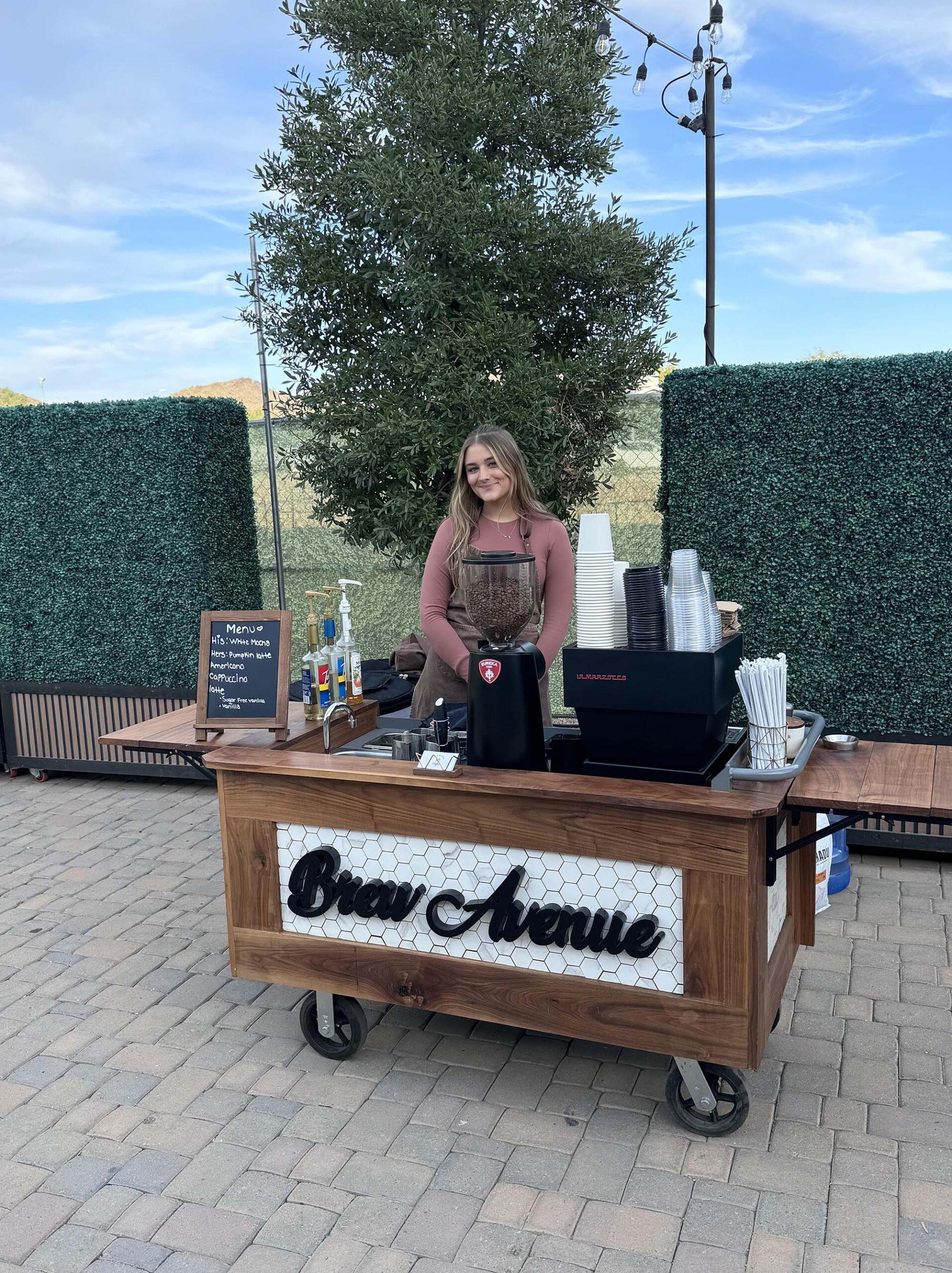
For a mobile coffee cart, every square inch of space is precious real estate, and every wasted ounce of milk or stale bean is money literally poured down the drain. Unlike a brick-and-mortar cafe with backstock rooms, you operate in a tightly constrained environment where efficient inventory management isn't just good practice—it's the cornerstone of profitability and sustainability. Mastering this balance is what separates a thriving operation from one that constantly struggles with spoilage and shrinking margins. For a premier mobile coffee catering service, intelligent waste management is a silent promise of quality and responsibility to every client. At Brew Avenue Coffee, we are located in Phoenix, Arizona, United States, and we've honed our systems to ensure that our focus remains on crafting perfect drinks, not on managing excess.
The High Cost of Waste in a Compact Space
The challenges of mobile inventory are unique. You must carry enough supplies to meet unpredictable demand at a festival or a large corporate event without the luxury of extensive storage. Overstocking leads to spoilage—think of dairy alternatives curdling in the Arizona heat or expensive specialty syrups expiring unused. Understocking, however, means lost sales and disappointed customers. The financial impact is direct: the global coffee industry grapples with monumental waste, from hundreds of thousands of tons of packaging to vast amounts of used coffee grounds. On a micro-scale, for your cart, this translates into eroded profits that can make or break your business model. Effective control is your primary defense against this loss.
The Precision Playbook: Strategies for a Lean Operation
Conquering waste requires a shift from guesswork to a data-driven, disciplined system. Here are the core strategies we employ:
1. Forecast with Data, Not Gut Feeling: Stop guessing how many gallons of milk you'll need. Begin meticulously tracking sales data from every event. How many lattes did you sell at that last downtown office party? How does a morning wedding compare to an afternoon festival? Over time, patterns emerge. Use this historical data to create tailored packing lists for different event types, sizes, and seasons. This isn't about being perfect on day one; it's about getting smarter with every outing.
2. Embrace the "First-In, First-Out" (FIFO) Rule: This golden rule of inventory is non-negotiable in a mobile setting. Always stock your cart and coolers so that the oldest products (milk, beans, pastries) are at the front and used first. This simple, disciplined practice virtually eliminates spoilage from items being forgotten and expiring at the back of a fridge.
3. Design a Smart, Streamlined Menu: Your menu is your most powerful inventory control tool. A sprawling list of 25 complex drinks requires a huge array of perishable ingredients. Instead, craft a concise, thoughtful menu built around a few versatile, high-quality core products. A great espresso, a fantastic cold brew, and 2-3 signature syrups can be combined to create myriad delicious options without requiring 15 different bottles that may go stale. This reduces complexity, speeds up service, and minimizes the number of items that can spoil.
The Arizona Advantage: Turning Challenges into Eco-Conscious Branding
Operating in Phoenix provides unique opportunities to innovate on waste. The intense summer sun isn't just a challenge for keeping drinks cold—it's a reminder of our environmental responsibility. Managing waste isn't just about cost; it's a powerful part of your brand story that resonates deeply with today's consumers.
We tackle this by sourcing locally where possible, reducing transport packaging and supporting our community. Furthermore, we view "waste" as a potential resource. For example, we actively divert our used coffee grounds from landfills. These nutrient-rich grounds can be offered to customers for free as garden compost, donated to local community gardens, or even explored in partnerships with local companies that upcycle them into products like soaps or candles. This transforms a cost center into a community engagement tool and a compelling marketing point about your commitment to sustainability.
Technology as Your Co-Pilot
Modern tools are a mobile vendor's best friend. Simple, affordable point-of-sale (POS) apps on a tablet do more than process cards. They track real-time sales of every item, giving you the hard data you need for forecasting. Inventory management apps can help you track stock levels and set reorder alerts. Even a well-organized spreadsheet is a great start. The goal is to replace memory and guesswork with clear, actionable information.
Conclusion: Efficiency as an Ingredient for Success
Ultimately, meticulous inventory and waste management on your mobile platform is about more than pinching pennies. It's about building a resilient, responsible, and reputable business. It ensures you can deliver consistent, high-quality products because your ingredients are always fresh. It protects your profit margins, creating a more stable foundation for growth. And in a market like Arizona, where consumers value authenticity and sustainability, it becomes a key part of your brand's identity—proving that great service and environmental stewardship can pour from the same cup.
Frequently Asked Questions
What is the single biggest inventory mistake new mobile coffee cart owners make?
The most common mistake is over-purchasing out of fear of running out. This leads to significant spoilage, especially with perishables like milk and fresh fruit. It's far better to run out of one item late in an event (and have a polite "Sold Out" sign ready) than to consistently throw away 20% of your inventory after every shift.
How can I accurately forecast for a brand-new event with no past data?
For new events, use a combination of research and a conservative "base stock." Contact the event organizer for estimated attendance. Look at the event type—a 3-hour corporate gala will have different consumption than an 8-hour music festival. Pack a solid base of core items and bring a limited quantity of specialty ingredients. Always have a plan for where to get emergency supplies nearby if you are unexpectedly busy.
Are compostable cups and packaging a good solution for waste?
Compostable products are an excellent step toward sustainability, but with a major caveat: they require commercial composting facilities to break down properly. In Arizona, access to such facilities can be limited. If they end up in a landfill, they don't decompose effectively. The best solution is often a two-pronged approach: use high-quality, recyclable materials and actively encourage customers to recycle, while also offering a small discount for customers who bring their own reusable cup.
How do I handle highly perishable items like fresh whipped cream or homemade syrups?
For items with very short shelf lives, preparation is key. Prepare small, frequent batches rather than one large batch for the week. Use clear, date-labeled containers and adhere strictly to the FIFO rule. Consider whether certain perishable items are critical to your menu or if a stable, high-quality alternative exists that would simplify your operations without sacrificing taste.
Can good inventory management really impact my customer's experience?
Absolutely. It impacts it in two direct ways. First, it guarantees freshness and quality—your milk will never taste "off," and your coffee beans will be at peak flavor. Second, it ensures menu consistency. Customers who fall in love with your seasonal lavender latte won't be disappointed to find you "always out of it" because you couldn't manage the lavender syrup inventory properly. Reliability builds customer loyalty.

 English
 Arabic
 French
 Spanish
 Portuguese
 Deutsch
 Turkish
 Dutch
Dutch
 Italiano
 Romaian
 Portuguese (Brazil)
 Greek
Greek