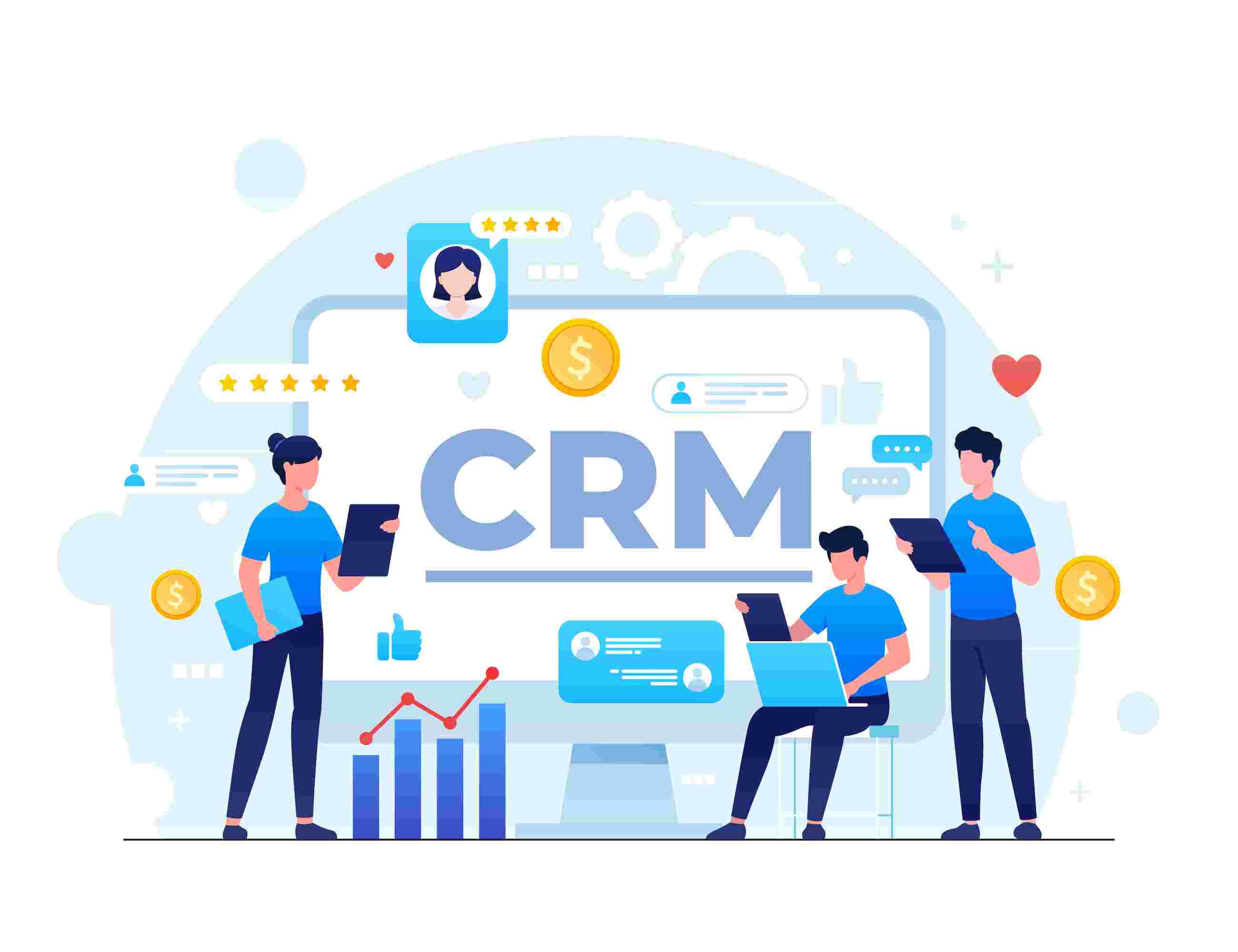
The digital transformation of business operations has made custom CRM & ERP solutions indispensable for enterprises seeking to maintain competitive advantages in rapidly evolving markets. Unlike off-the-shelf software packages, custom-built systems are specifically designed to align with unique business processes, industry requirements, and organizational cultures. This tailored approach ensures that technology serves business needs rather than forcing businesses to adapt to generic software limitations.
The Case for Customization
Every enterprise operates differently, with unique workflows, terminology, and business logic that distinguish it from competitors. Generic software often requires businesses to compromise their processes to fit system limitations, potentially sacrificing competitive advantages built over years of refinement. Custom CRM & ERP solutions eliminate these compromises by building technology around existing successful practices while identifying opportunities for improvement and innovation.
The customization advantage extends beyond surface-level interface changes. Deep customization affects database structures, business rules, workflow automation, and integration patterns. This fundamental alignment between software and business operations creates efficiency gains that generic solutions simply cannot match, as every feature and function directly supports actual business requirements rather than attempting to serve all possible use cases.
Industry-Specific Requirements
Different industries face unique challenges and regulatory requirements that generic software struggles to address. Healthcare organizations need HIPAA-compliant systems with patient management capabilities. Manufacturing companies require sophisticated production planning and quality control features. Financial services firms need robust security and audit capabilities that meet stringent regulatory standards.
Custom CRM & ERP solutions can incorporate industry-specific functionality from the ground up, ensuring compliance while supporting specialized workflows. This targeted approach eliminates the need for extensive workarounds or supplementary systems, creating streamlined operations that directly support industry best practices and regulatory compliance without unnecessary complexity.
Flexible Architecture for Evolving Needs
Business requirements change over time as markets evolve, new opportunities emerge, and organizational priorities shift. Systems built with rigid architectures struggle to adapt, often requiring expensive replacements when existing functionality becomes inadequate. Custom solutions designed with flexibility in mind can evolve alongside the business, accommodating new requirements without fundamental restructuring.
Modular architecture approaches enable incremental enhancements that add capabilities without disrupting existing operations. This evolutionary development model spreads costs over time while ensuring systems remain current with business needs. As new technologies emerge, flexible architectures facilitate integration of innovations like artificial intelligence, machine learning, and advanced analytics without requiring complete system overhauls.
Competitive Differentiation Through Technology
In crowded marketplaces, operational excellence often determines competitive success. When every company in an industry uses the same generic software, technology becomes a commodity rather than a differentiator. Custom CRM & ERP solutions enable businesses to embed competitive advantages directly into their operational systems, creating capabilities competitors cannot easily replicate.
Proprietary algorithms for pricing optimization, custom analytics that reveal unique market insights, or specialized customer engagement workflows can all provide sustainable competitive advantages. These capabilities become part of the organization's intellectual property, protected by the custom nature of the implementation rather than being available to any competitor who purchases the same off-the-shelf package.
User Adoption and Productivity
System adoption remains one of the biggest challenges in enterprise software implementations. Employees resist systems that complicate their work or require significant changes to familiar processes. Custom solutions designed around actual user workflows feel intuitive because they match how people already think about their work, dramatically reducing training requirements and resistance to adoption.
Interface design tailored to specific user roles ensures employees see only relevant information and functions, reducing cognitive load and improving productivity. Custom CRM & ERP solutions can incorporate organizational terminology, reflect existing approval hierarchies, and automate routine decisions based on established business rules, creating seamless user experiences that enhance rather than hinder productivity.
Integration with Existing Technology Investments
Most enterprises have substantial investments in existing technology systems that serve specific functions effectively. Rather than replacing everything, custom solutions can be designed to integrate seamlessly with these existing systems, preserving valuable investments while filling gaps in functionality. This integration-focused approach creates unified technology ecosystems without the disruption and expense of wholesale replacement.
Custom integration layers can connect disparate systems, ensuring information flows freely across the technology landscape. Legacy systems that contain years of valuable historical data can be preserved and integrated, making that information accessible within modern interfaces while planning gradual migration strategies that minimize risk and disruption.
Total Cost of Ownership Considerations
While custom development typically requires higher initial investment than purchasing generic software, total cost of ownership often favors custom solutions over time. License fees for enterprise software can be substantial and grow as organizations add users or functionality. Custom solutions have no ongoing license costs, with expenses limited to maintenance, hosting, and future enhancements.
The elimination of workarounds, manual processes, and supplementary systems further reduces operational costs. When software precisely matches business needs, organizations avoid paying for unused features while gaining efficiency from capabilities that directly support their operations. This alignment between investment and value creates favorable long-term economics that justify initial development costs.
Security and Data Sovereignty
Custom CRM & ERP solutions provide complete control over security implementations and data storage. Organizations can implement security measures that match their specific risk profiles and compliance requirements without being constrained by generic security models. Sensitive data can be stored on-premises or in private cloud environments, ensuring complete control over information that competitors or malicious actors might find valuable.
This control extends to backup procedures, disaster recovery planning, and access management. Organizations can implement policies that precisely match their security posture without being forced to accept the security decisions made by software vendors who must balance security against ease of use for thousands of diverse customers.
Vendor Independence and Long-Term Stability
Reliance on software vendors creates risk when vendors change pricing, alter product roadmaps, or cease operations. Custom solutions provide independence from vendor decisions that might not align with organizational interests. While ongoing development support remains necessary, organizations maintain complete ownership of their software assets and can transition support providers if relationships become unsatisfactory.
This independence provides strategic flexibility that generic software cannot match. Organizations control their technology destiny, making decisions based purely on business requirements rather than being constrained by vendor capabilities or priorities.
Conclusion
Custom enterprise solutions represent strategic investments in operational excellence and competitive differentiation. By aligning technology precisely with business requirements, organizations create sustainable advantages while avoiding the compromises inherent in generic software. Though requiring larger initial commitments, the long-term benefits of custom solutions—including perfect alignment with business processes, competitive differentiation, user adoption, and vendor independence—create compelling value propositions for enterprises serious about leveraging technology as a strategic asset rather than treating it as a commodity utility.

 English
 Arabic
 French
 Spanish
 Portuguese
 Deutsch
 Turkish
 Italiano
 Russian
 Romaian
 Portuguese (Brazil)
 Greek
Greek