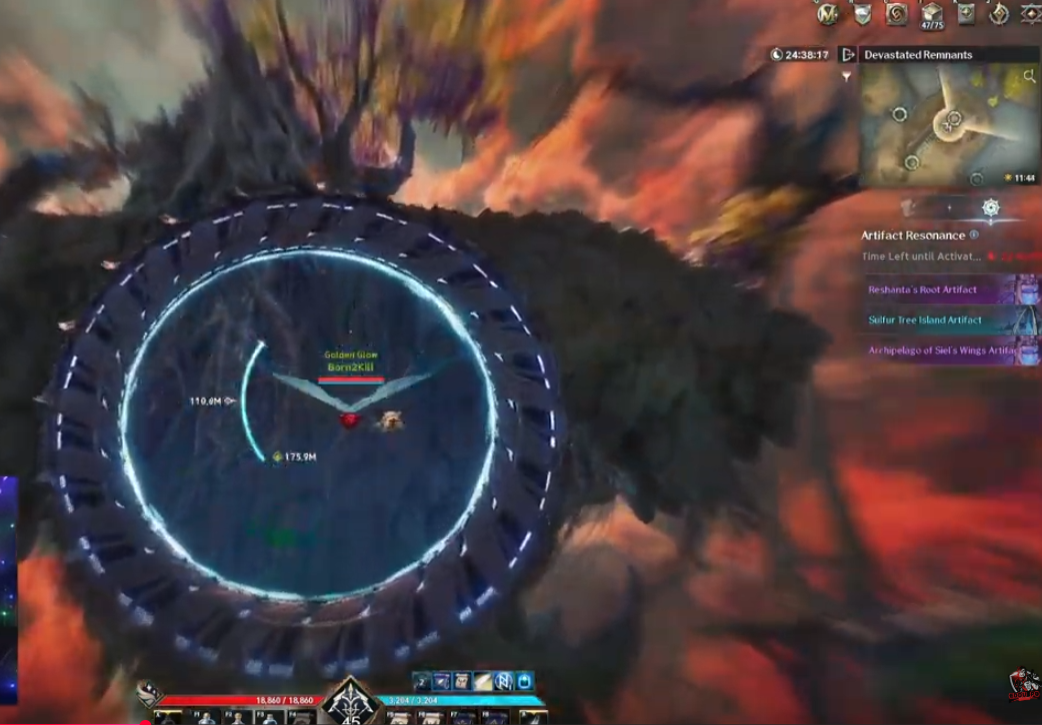
Aion 2 is the newest installment in the Aion series, and many players are trying to figure out how things work in practice. This guide explains the game from the perspective of someone who has spent time playing MMOs like it. I’ll focus on questions most players actually have, instead of hype or sales talk.
What is Aion 2 and How Is It Different from the First Game?
In general, Aion 2 builds on the core mechanics of the original Aion but with more fluid combat and updated graphics thanks to Unreal Engine 5. Combat is action-based, which means timing and movement matter. Most players don’t just stand and spam skills; dodging, positioning, and combo chains are important.
PvE and PvP are both supported. Usually, PvE involves traditional questing, dungeon runs, and world bosses. PvP can range from small-scale duels to large faction battles. Many players notice that survival in PvP often depends more on movement and skill usage than just gear level.
How Does Character Creation Work?
When you start, you pick a faction and a class. Aion 2 currently has eight classes:
-
Gladiator (DPS): Strong in melee AoE damage.
-
Templar (Tank): Defensive and shield-focused.
-
Cleric (Support): Heals allies; can do some damage.
-
Chanter (Support): Buffs and minor healing.
-
Ranger (Ranged DPS): Uses bows and traps.
-
Assassin (Stealth DPS): Burst damage from behind.
-
Sorcerer (Mage): High magic damage.
-
Elementalist (Mage): Summons spirits to aid in battle.
Most players pick classes based on playstyle rather than optimal stats. For example, if you like staying back and controlling fights, Ranger or Sorcerer works. If you enjoy tanking or being in the middle of battles, Templar or Gladiator is more common.
How Does Combat Work in Practice?
Combat in Aion 2 is real-time, so you have to move, dodge, and chain attacks. Unlike traditional tab-targeting MMORPGs, most players treat dodging and positioning as equally important as skill rotation. Timing matters a lot in PvP because hitting the right combo at the right moment can decide fights, even if your gear is weaker.
In PvE, efficiency usually comes from managing cooldowns, knowing enemy patterns, and grouping properly. Most groups follow a simple rule: tanks pull, DPS focuses damage, and healers keep the group alive. Solo players often focus on classes with self-healing or mobility, like Assassin or Elementalist.
What About Gear and Progression?
Gear progression works like most MMOs. You start with basic gear, upgrade over time, and eventually get high-tier items from dungeons or PvP rewards. Most players try to enhance their gear steadily, focusing first on core stats for their class.
One thing to note: in practice, many new players worry too much about gold. While grinding and trading is a thing, the game doesn’t usually require buying items to progress quickly. That said, some players do look for ways to speed up the process, like purchasing in-game currency. Terms like Aion 2 gold for sale appear online, but most experienced players warn that relying on purchased gold can carry risks and often isn’t necessary for normal progression.
How Does PvP Work?
PvP is a major part of Aion 2. There are open-world PvP zones and organized battlegrounds. Most players learn early that success in PvP isn’t just about stats—it’s also about awareness. Knowing when to engage and when to retreat is crucial.
Small skirmishes are often decided by who can interrupt the other first. Large faction battles usually involve coordinating with groups, managing buffs, and timing abilities. Templars often lead defensive positions, while DPS classes try to flank or focus on high-value targets.
How Do Quests and Exploration Work?
Most players approach quests in a standard MMO way: pick up multiple quests in a zone, complete objectives, and turn them in for experience and rewards. Aion 2 encourages exploration, and players often find hidden treasures or optional bosses if they stray from the main path.
Daevanion boards (similar to notice boards) are used to track events, daily tasks, and rewards. Players who check these regularly tend to advance faster because they get extra gear, materials, or buffs.
Are Crafting and Materials Important?
Crafting exists, but in general, it’s optional for most players. You can create consumables, upgrade items, and enhance equipment. Materials are usually gathered from enemies or resource nodes in the world. Most players focus on upgrading one or two pieces of gear at a time instead of trying to craft everything. This strategy is more efficient and helps avoid wasting materials.
What Do Most Players Focus on Early Game?
Most new players spend the early levels understanding their class, completing main quests, and learning how combat works. By level 20-30, many players start trying dungeons or small-scale PvP.
It’s also common for new players to gather basic gear and enhance it gradually. Trying to get top-tier equipment immediately usually isn’t practical, since it requires endgame materials and coordination with groups.
System Requirements and Performance Tips
Aion 2 can be demanding. For smooth performance:
-
Minimum: 16 GB RAM, GTX 1660, Intel i5-10400F.
-
Recommended: 32 GB RAM, RTX 3060 Ti, Intel i5-12400F.
Most players find that adjusting graphics settings can improve frame rates in larger PvP zones, especially in high-detail areas.
In general, Aion 2 is about mastering movement, timing, and strategy as much as gear. Early progression involves understanding your class and managing resources. PvP and PvE have different approaches: PvP emphasizes awareness and skill timing, while PvE is more about coordination and efficiency. Players who take their time learning mechanics usually enjoy the game more than those who chase top-tier gear immediately.

 Arabic
 French
 Spanish
 Portuguese
 Deutsch
 Turkish
 Dutch
Dutch
 Italiano
 Russian
 Romaian
 Portuguese (Brazil)
 Greek
Greek